Last updated: April 20, 2026 4. 2026
Fast, reliable, hassle-free. That’s how international shipping should ideally work.
But the reality is more complicated—and those who don’t realize this in time often end up paying the price for late deliveries, fines, or damaged goods.
This article will guide you through what matters most when shipping goods internationally—and why it pays to have an experienced international freight forwarding partner by your side.
How goods are transported—and why the choice of method or type matters
There is no one right way. Every type of transport has its place—and the key is knowing when to use which one.
In practice, it’s not just about the transport itself, but the entire process that falls under international freight forwarding—namely planning, coordination, documentation, and handling unexpected situations.
Road transport
Ideal for Europe. Flexible, relatively fast, and suitable for most standard goods.
Typically: deliveries to Germany, Austria, Slovakia
Air freight
The fastest, but also the most expensive.
It makes sense for urgent shipments, spare parts, high-value goods, or goods that by land cannot be transported due to security or other customs regulations.
Sea freight
The cheapest option for larger volumes. However, consolidated containers can also be arranged, which can accommodate smaller shipments from multiple suppliers or recipients
Typically: containers from Asia
Disadvantage: longer transit time (4–8 weeks) and it is not possible to count on a precisely specified delivery date; no sea carrier (shipping line) guarantees this.
Rail transport
An interesting compromise between cost and speed.
Frequently used between Europe and Asia
Disadvantage: more frequent loss or damage to shipments. Here, it is necessary to have the shipment insured for its total value
Multimodal transport in practice
Multimodal transport—a combination of multiple modes of transport—is being used more and more frequently.
For example:
- container by sea + truck for the final leg
- by air to a hub + road distribution
Real-world example:
Goods from China can be shipped by sea to Hamburg, then transported by rail to a transshipment point in the Czech Republic, and finally by truck to the destination or to customs.
Alternatively, by air—faster, but significantly more expensive.
The right combination can:
- reduce costs
- shorten transit time
- minimize risk
Not sure which mode is best for your goods? We’d be happy to help you figure it out. No strings attached.
Planning isn’t just “nice to have”—it’s essential
The biggest difference between a smooth shipment and a problem?
Planning.
Every international logistics operation has its own timeline:
What does a typical timeline look like?
- 4–6 weeks in advance: capacity booking
- 2–3 weeks: documentation
- 1–2 weeks: shipment
- During transit: tracking + coordination
- Delivery: customs clearance + unloading
Where the most common problems arise
- the ship is full → you wait an extra week
- missing document → shipment is held at customs
- Bad timing → you miss the installation deadline
Especially with sea and air freight, leaving things to the last minute simply doesn’t pay off.
When shipping goods abroad, every detail matters—from proper timing to choosing a partner who can manage the entire process.
How we handle this at IMMIX
We handle every shipment individually:
- we plan ahead
- we build in buffers
- we monitor risks
Our dispatchers know exactly where things might get stuck… and resolve them before they happen.
And thanks to our own drivers and fleet, we can respond flexibly even in situations where transportation needs to be arranged quickly or outside of the standard schedule.
Geopolitics and Logistics: A Changing World
Today, international logistics is no longer just about the route from point A to point B.
It’s about what happens in between.
What affects transportation today
- situation in the Red Sea → ships are rerouted around Africa
- Strait of Hormuz → restrictions on passage
- sanctions and embargoes → route changes
Real-world impact
For example:
- Detour around Africa = +10 to 14 days
- Higher fuel consumption = higher cost
Result:
- Longer transit times
- higher costs
- greater uncertainty
What can be done about it?
- Plan alternative routes
- allow for a buffer
- work with someone who is monitoring the situation
At IMMIX, we monitor the situation in real time and can respond quickly.
The geopolitical situation is changing rapidly. We’re monitoring it for you—and we know how to plan your shipment even in an uncertain environment. Get in touch with us.
Packaging and securing: a boring topic that can cost you a lot of money
Packaging is one of the most underestimated aspects of shipping. Yet most damage occurs precisely because of poor packaging
What must packaging meet?
- resistance to handling
- moisture protection
- proper labeling
- documentation on how to handle the shipment
For oversized cargo, it’s even more complicated:
- special construction
- securing against movement
- handling with a crane
This isn’t just about boxes anymore. This is about technical solutions.
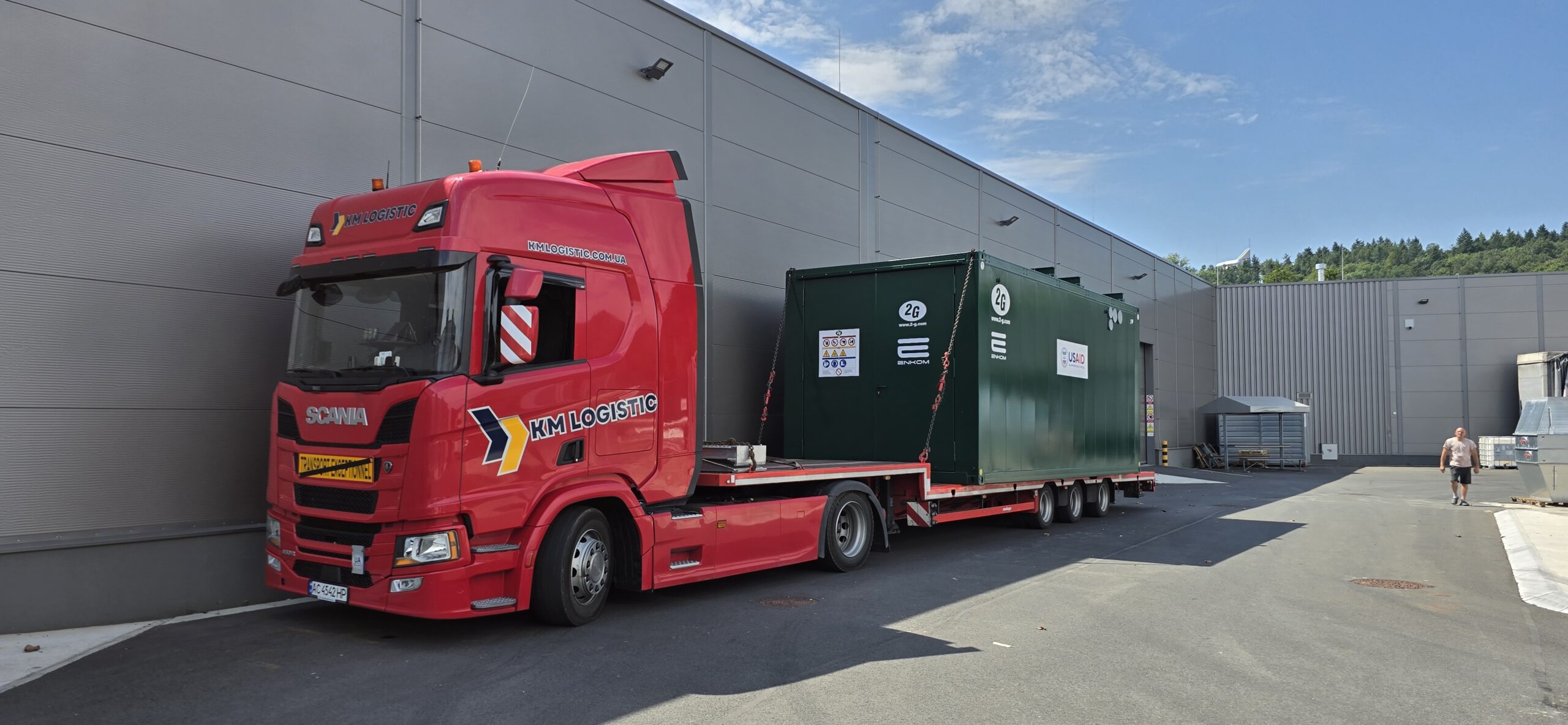
We have experience not only with standard goods but also with oversized and specialized cargo, where every project is unique and requires a customized solution.
Transport insurance is a given, protecting your investment. The carrier’s liability insurance under international conventions may not cover total thevalue of the shipment. That’s why it’s important to have the right carrier, freight forwarder, or shipping agent who will verify and arrange everything for you.
Customs clearance and other “surprises” that may catch you off guard
Customs clearance is often the point where transport slows down or even comes to a halt.
Why?
- missing documents
- incorrectly entered data
- random inspection
Essential documents:
- invoice
- delivery note
- certificate of origin, if applicable
- Phytosanitary certificate or veterinary certificate
Incoterms 2020 are also important
- EXW (Ex Works)
- The buyer picks up the goods directly from the seller and handles the entire shipment.
- → For you, this means maximum control, but also the greatest responsibility.
- DAP (Delivered at Place)
- The seller arranges transport to the destination, but the buyer handles customs clearance and fees.
- → A common option in practice.
- DDP (Delivered Duty Paid)
- The seller takes care of everything, including customs duties and taxes.
- → The simplest option for the buyer, but the most administratively demanding for the shipper.
Each of these terms has a direct impact on the cost, risks, and logistics of the shipment—and choosing the wrong Incoterm can lead to unnecessary complications.
Temporary importation (ATA Carnet) is a special case—typically used for trade shows or testing equipment.
And then there are the “real-life situations”:
- customs stops the shipment on Friday afternoon
- a single piece of information is missing from the document
- the goods are waiting
At that moment, you need a partner who is available. That’s why we at IMMIX are available 24/7.
Frequently Asked Questions (FAQ)
How long does international shipping take?
It depends on the type of transport, route, and destination. Truck transport within Europe usually takes 1 to 5 days, sea transport several weeks, and air transport usually just a few days. However, customs clearance, capacity availability, and the current situation on the route also factor into the total time, so it’s always a good idea to allow for some extra time.
What should you do if a shipment is delayed at customs?
First and foremost, you need to determine the specific reason for the delay—often it’s due to missing or inaccurate information in the documentation. If the situation is addressed in a timely manner, most problems can be resolved relatively quickly. That’s precisely why it’s important to have a partner on hand who can communicate with customs authorities and respond even when the situation becomes complicated.
What documents do I need for exports outside the EU?
The basics usually include an invoice, packing, and, depending on the type of goods, a certificate of origin or other specific documents required by the destination country. For some commodities, special certificates, permits, or inspections may also be required. Properly prepared documentation is one of the key factors that determines whether a shipment will pass smoothly or be delayed. It is always advisable to communicate with the recipient and have review you have issued the recipient or their customs broker the accompanying documents .
How does multimodal transport work?
Multimodal transport combines multiple modes of transport within a single shipment—for example, ocean freight for the main leg and trucking for delivery to the final destination. In practice, it is used when it is necessary to find the best balance between cost, speed, and reliability. A properly designed multimodal solution can significantly optimize the entire logistics process.
When is sea freight a good option?
Sea freight makes the most sense for larger volumes of goods and in situations where delivery speed is not a critical factor. It is cost-effective, but at the same time, longer transit times and greater planning demands must be taken into account. It is therefore often combined with other modes of transport as part of a multimodal solution.
What does IMMIX’s comprehensive service include?
The comprehensive service is not limited to transportation alone. It also includes route planning, transport coordination, customs clearance, pre-shipment storage if needed, packaging and securing solutions, asand communication with the recipient or customs authorities well as support in non-standard situations . The goal is for the client not to have to handle each step separately, but to have a single partner who manages the entire process from start to finish.
Worry-free international shipping
International shipping is a complex matter.
And honestly—you don’t have to understand everything. That’s what we’re here for. As your logistics partner, we’ll make sure your goods arrive:
✔ on time
✔ in good condition
✔ without complications
Thanks to:
- our own resources
- experienced dispatchers
- ability to handle unusual situations
Email or call us—we’re here for you 24/7.